


8 Misconceptions About Electric Trucks: Costs, Batteries, and Operating Performance
Many businesses remain hesitant about electric trucks. However, advances in battery technology and modern charging systems have helped address many long-standing misconceptions about electric vehicles. In practice, electric trucks can reduce long-term operating costs under suitable operating conditions and support the shift toward greener transportation. Let’s explore the most common misconceptions about electric trucks to help businesses make informed investment decisions.
Misconception 1: Electric Trucks Have High Upfront Costs and Are Therefore Uneconomical
One common misconception about electric trucks is that a high purchase price automatically means a poor return on investment. In reality, the vehicle purchase price is only the initial investment and one component of the total cost of ownership (TCO). To determine whether a vehicle is economical, businesses need to consider energy costs, maintenance, repairs, operating time, and the vehicle’s residual value.
Under suitable operating conditions—particularly on fixed routes, with high utilization and stable payloads—electric trucks can achieve a lower total cost of ownership than diesel trucks after approximately 4–6 years.
Electric trucks tend to offer advantages when:
Annual mileage is high: A trial in Shenzhen found that electric trucks could achieve lower total costs than diesel trucks when annual mileage exceeded approximately 60,000 km.
Routes are fixed, urban, or within facilities: Predictable distances make charging easier to schedule, reduce the risk of battery depletion, and minimize charging-related waiting time.
Dedicated charging infrastructure is available: Charging at depots, warehouses, or company facilities helps businesses manage electricity costs and charging schedules while reducing reliance on the still-limited public charging network.
Energy and maintenance costs are lower: Electric trucks have fewer maintenance items than diesel trucks, and electricity generally costs less than diesel fuel.
The following table provides a reference comparison of the cumulative costs of electric and diesel trucks.
| Cost item (VND) | Diesel truck | Electric truck |
|---|---|---|
| Initial investment in Year 1 | 1,428,850,000 | 3,400,850,000 |
| Annual energy costs | 876,000,000 | 496,127,710 |
| Annual maintenance and fixed costs | 138,326,000 | 75,576,000 |
| Cumulative cost – Year 1 | 2,443,176,000 | 3,972,553,710 |
| Cumulative cost – Year 2 | 3,457,502,000 | 4,544,257,420 |
| Cumulative cost – Year 3 | 4,471,828,000 | 5,115,961,330 |
| Cumulative cost – Year 4 | 5,486,154,000 | 5,687,664,840 |
| Cumulative cost – Year 5 | 6,500,480,000 | 6,259,368,550 |
Based on these estimates, the electric truck’s cumulative cost becomes lower than that of the diesel truck in Year 5. However, actual results depend on annual mileage, electricity and diesel prices, charging infrastructure costs, maintenance expenses, and the vehicle’s residual value.
Misconception 2: Electric Trucks Are Only Suitable for Short Distances
Electric trucks are currently particularly well suited to short-haul routes, urban transportation, and last-mile logistics. However, they are no longer limited to short-distance applications. New-generation heavy-duty electric trucks, such as the Volvo FH Aero Electric and Scania models, have achieved driving ranges of approximately 700–720 km per charge.
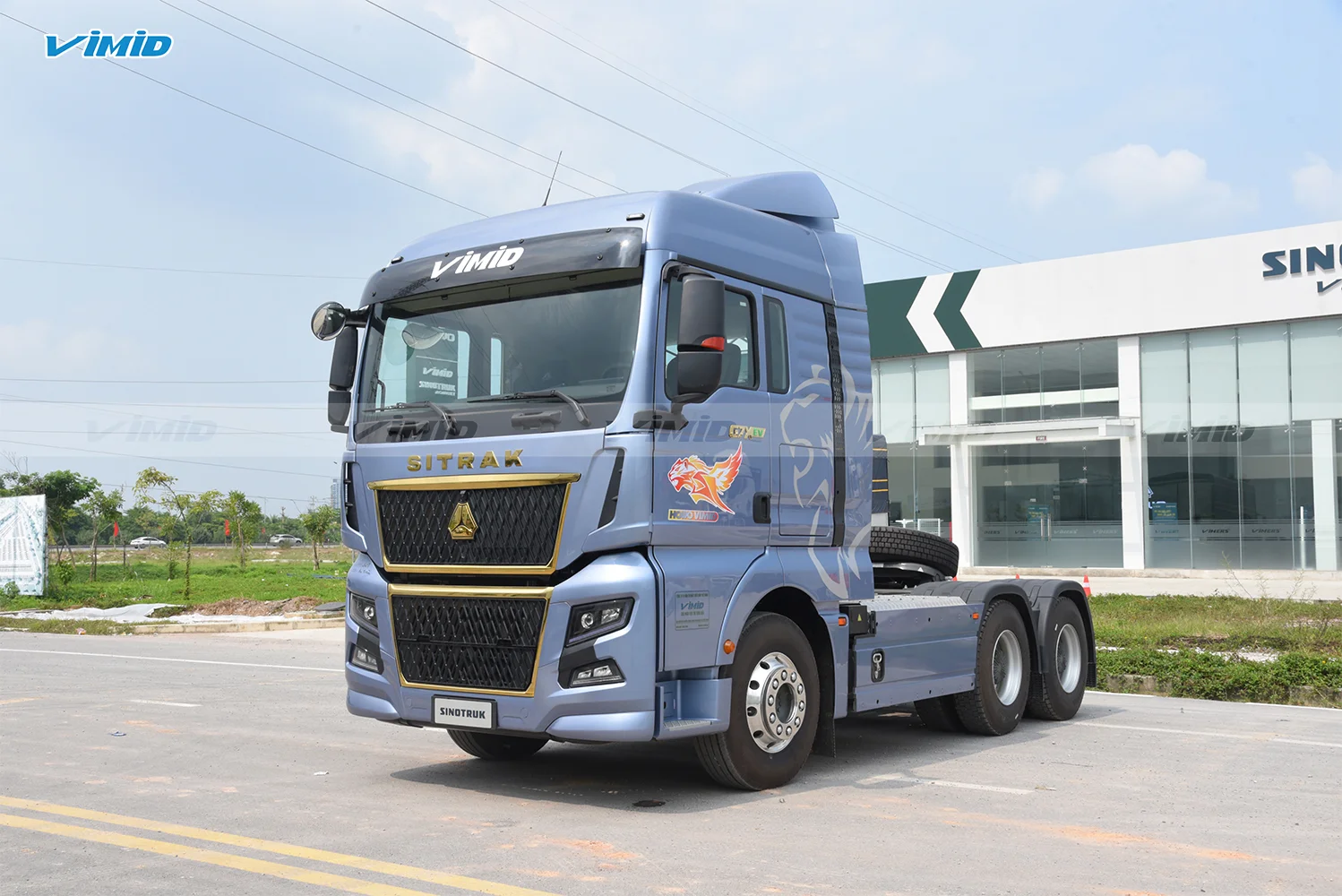
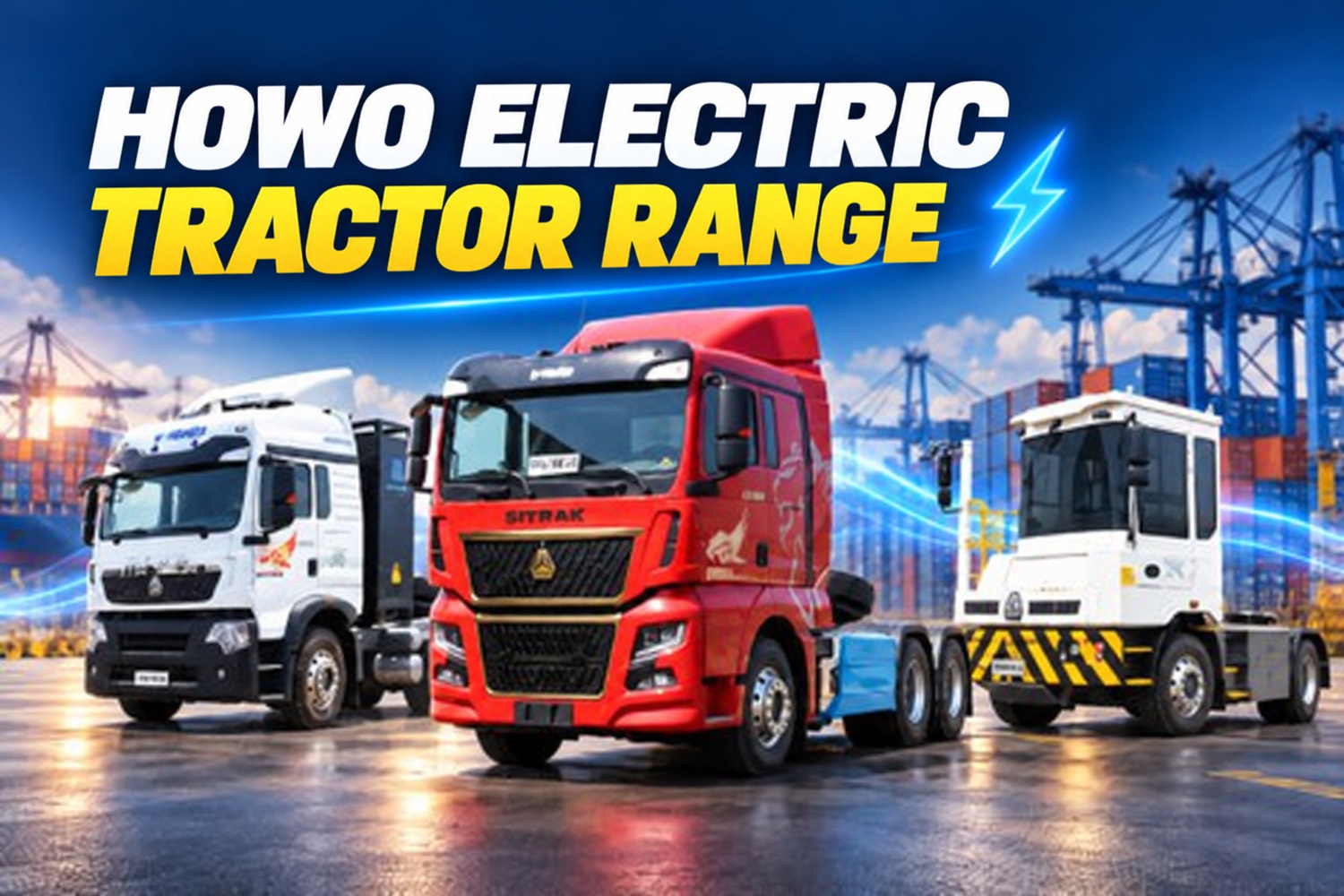
In Vietnam, electric vehicles are available across multiple segments, from light-duty trucks and heavy-duty trucks to tractor units, with reported driving ranges of approximately 210–300 km per charge under specific operating conditions. For example, the HOWO G7X EV 342 kWh High-Roof Electric Tractor offers a driving range of approximately 260 km per charge.
Misconception 3: Electric Trucks Take Too Long to Charge and Disrupt Operations
“Long charging times” are no longer a fixed characteristic of all electric trucks. While depot-based AC charging may take several hours, heavy-duty electric trucks equipped with CCS fast charging or high-power MCS charging can charge from 20% to 80% in approximately 30–65 minutes. In Vietnam, the Sitrak G7X EV electric tractor, equipped with a dual-gun DC fast-charging system, takes approximately 1.5 hours to charge.
Furthermore, if vehicles operate during the day and charge overnight at the depot—or recharge while drivers rest or vehicles wait for loading and unloading—charging may have little impact on transportation capacity. This operating model is particularly suitable for urban deliveries, warehouse distribution, fixed routes, and businesses with their own parking facilities.
Misconception 4: Electric Truck Batteries Degrade Quickly and Are Extremely Expensive to Replace
Electric truck batteries naturally degrade over time. However, concerns that they degrade rapidly and inevitably require an expensive full-pack replacement may be overstated when vehicles are operated and maintained properly. Commercial vehicle batteries are often estimated to withstand approximately 3,000–5,000 charge-discharge cycles, equivalent to around 10–12 years or 300,000–500,000 km of operation before their remaining capacity reaches approximately 70–80%.
In addition, battery replacement during a fleet’s typical ownership period is not always necessary, as many vehicles are replaced or retired before their batteries reach the end of their useful life.
Misconception 5: Electric Trucks Have Weak Pulling Power and Cannot Carry Heavy Loads
Electric trucks are not inherently weak in terms of pulling power. Electric motors deliver high torque from 0 rpm, providing strong starting performance, hill-climbing capability, and heavy-load traction. Maximum torque is available almost immediately, whereas diesel engines generally need to increase engine speed and shift gears to reach their effective torque range. This allows electric trucks to start smoothly, climb hills, and pull heavy loads from a standstill effectively.
Furthermore, the claim that electric trucks cannot transport heavy cargo is outdated. Electric tractor units currently available in Vietnam are designed to transport cargo loads of 15–20 tonnes and handle a towed mass of up to 40 tonnes.
Misconception 6: Electric Trucks Are Unsuitable for Operating Conditions in Vietnam
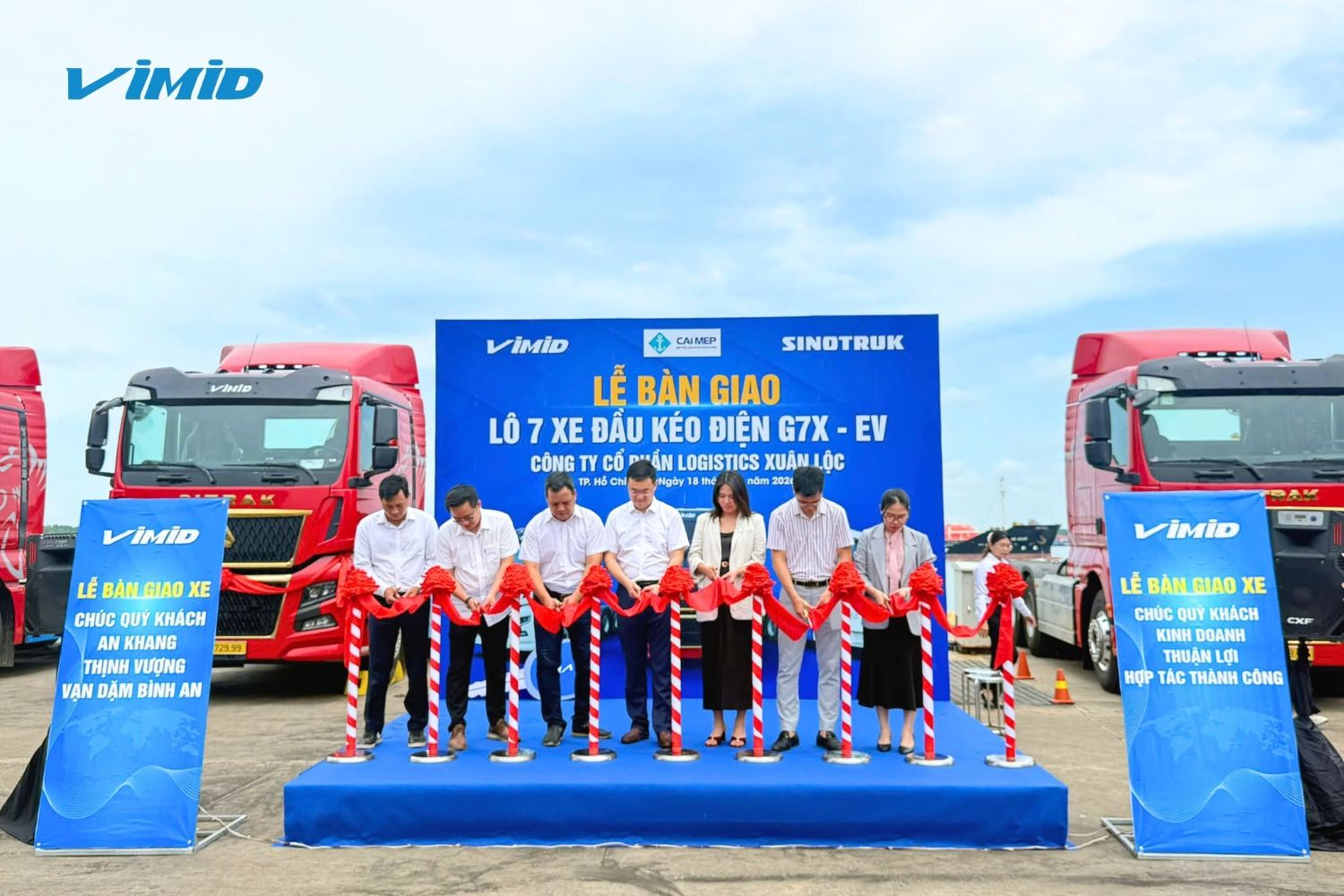
Electric trucks in Vietnam are not yet universally suitable for long-distance transportation. However, they are well suited to urban deliveries, port-to-warehouse operations, industrial zones, and fixed routes with adequate charging infrastructure.
Urban logistics and last-mile delivery: Hanoi, Ho Chi Minh City, and other major urban areas have frequent delivery requirements, with typical daily distances often within the operating range of electric trucks.
Fixed routes: Routes connecting ports and warehouses, mines and factories, construction sites and material yards, or industrial zones and logistics centers are particularly suitable because businesses can install charging facilities or battery-swapping stations at both ends of the route.
Misconception 7: Electric Trucks Require No Maintenance and Incur No Operating Costs
Electric trucks do not use internal combustion engines, which means they can eliminate certain maintenance tasks, such as engine oil changes and some engine-specific coolant servicing. However, this does not mean that these vehicles require no maintenance or incur no operating costs.
Components such as tires, braking systems, suspension systems, air conditioning, battery cooling systems, and electrical equipment still need to be inspected according to the manufacturer’s guidelines. In addition, the battery system, electric motors, and charging equipment may require inspection, maintenance, or repairs by appropriately qualified service providers. Actual maintenance costs should be assessed based on the specific vehicle model and operating conditions.
Misconception 8: Electric Trucks Cannot Operate on Flooded Roads
In practice, an electric truck’s ability to operate in heavy rain or flooded conditions depends on its design, the water-ingress protection of its electrical components, the manufacturer’s operating limits, and the depth of the water.
Electric truck batteries are generally designed to resist water ingress, vibration, and impact. Furthermore, unlike diesel trucks, electric trucks do not have exhaust pipes, so they avoid the specific risk of engine failure caused by water entering the exhaust system. However, this does not mean electric trucks are immune to flooding. Water can still damage electrical components, and driving through floodwater beyond the manufacturer’s specified limits can be dangerous.
Should Businesses Invest in Electric Trucks Today?
Electric trucks offer potential benefits in energy costs, maintenance expenses, and tailpipe emissions. However, their investment performance depends on specific operating conditions.
Before investing, businesses should evaluate the following factors:
Transportation requirements: Daily driving distance, payload, number of trips, and operating hours.
Investment costs: Vehicle purchase price, charging infrastructure installation, and other related investments.
Operating costs: Electricity, maintenance, repairs, insurance, and other incidental expenses.
Operational capability: Real-world driving range, charging time, and the ability to meet delivery schedules.
After-sales service: Warranty policies, spare parts availability, repairs, and technical support.
Long-term financial performance: Total cost of ownership, estimated payback period, and vehicle residual value.
Comparing an electric truck with a diesel truck in the same vehicle segment under identical operating scenarios will provide a clearer basis for decision-making. If the electric truck meets transportation requirements and its total costs align with the business’s financial plan, it may be a worthwhile option for the fleet over the long term.
Conclusion
Common misconceptions about electric trucks often arise from evaluating a vehicle based on a single factor rather than its overall performance. In reality, operational efficiency depends on vehicle configuration, operating conditions, charging infrastructure, and total cost of ownership. As the transition toward greener transportation continues, contact VIMID via hotline 1900 1089 for advice on suitable electric truck solutions.
Related news

3S Model – A Comprehensive Service Standard In freight transport, ensuring stable vehicle operation depends not only on product quality but also on the capability of supporting services. The 3S model (Sales – Service – Spare Parts) has therefore become a key standard, enabling fleet owners and transport operators to access a full range of […]

Regular truck maintenance is one of the most important factors. However, many vehicle owners still neglect periodic maintenance when the truck appears to be operating normally.

Electric trucks are becoming an increasingly popular choice. However, many fleet operators still have questions about real-world performance. Here is a total guide to operate electric truck efficiently while keeping costs under control