


What transportation needs are electric tractor trucks suitable for?
Electric Tractor Trucks: Which Transportation Needs Are They Best Suited For?
Electric tractor trucks are particularly worth considering for businesses operating on relatively stable routes, with predictable travel distances and the ability to provide charging infrastructure.
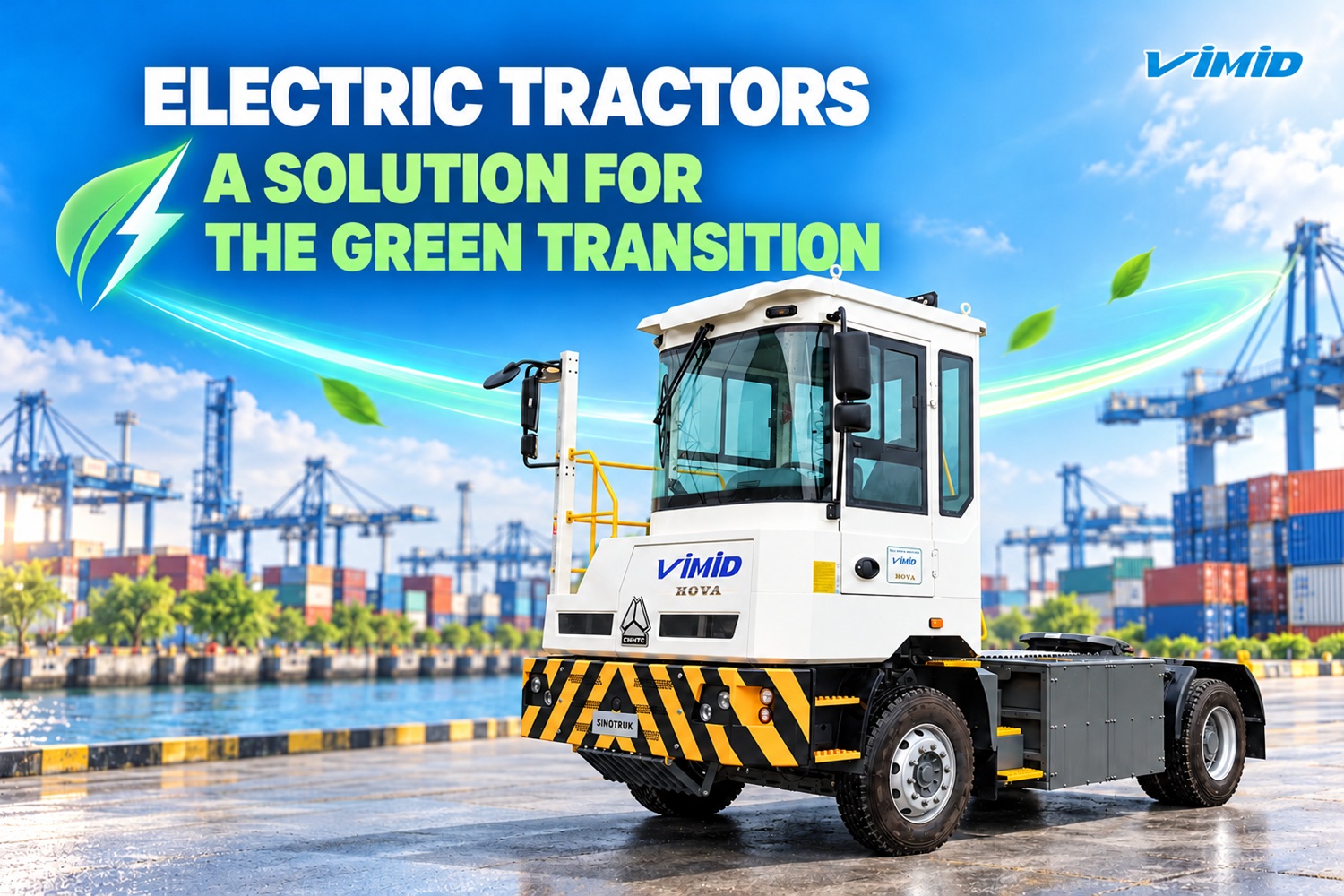
Container Transportation at Seaports
This is one of the most suitable applications to evaluate when considering an investment in electric tractor trucks. Transportation routes between ports, inland container depots (ICDs), warehouses, and logistics centers often have relatively predictable distances. Vehicles can also return to their depots after each shift or a set number of trips. This makes it easier for businesses to schedule charging and monitor energy consumption.
However, businesses should also account for loading and unloading waiting times, container payloads, and traffic density within port areas.
Freight Transportation in Industrial Parks
For businesses transporting goods between factories, raw material warehouses, and distribution centers, electric tractor trucks can offer advantages when routes remain stable. Businesses can estimate energy consumption for each trip, arrange charging at warehouses, and manage operating schedules by shift. Routes involving multiple repeated trips per day also make it easier to accurately assess electricity costs and investment efficiency.
Interprovincial Transportation on Fixed Routes
Electric tractor trucks can also be used for interprovincial transportation if travel distances, payloads, and charging infrastructure meet operational requirements. However, this application requires more careful planning because transportation distances can be substantial and return trips to depots may take longer.
Businesses need to identify charging stations along their routes, account for driver rest periods, assess charging availability, and maintain an adequate battery reserve.
Is Now the Right Time to Invest in Electric Tractor Trucks?
Electric tractor trucks are worth considering for businesses with a clear operating plan, suitable transportation routes, and the capacity to invest in charging infrastructure. However, not every transportation business can transition to electric trucks with the same level of economic efficiency.
Businesses That Should Consider Investing
Electric tractor trucks are worth evaluating as an investment when a business meets the following conditions:
Operates on fixed routes with predictable daily travel distances.
Has high vehicle utilization and stable transportation volumes.
Has a suitable depot location for installing charging stations.
Has an adequate power supply or a feasible infrastructure upgrade plan.
Has a long-term vehicle utilization strategy to spread investment costs over time.
Situations That Require Careful Consideration
Businesses should proceed cautiously if their trucks frequently operate on long, variable routes, have limited access to charging stations, or follow constantly changing transportation schedules. Similarly, if vehicles must operate with almost no downtime, recharging requirements may affect transportation productivity.
In these situations, businesses should evaluate operating strategies and charging arrangements before making an investment decision.
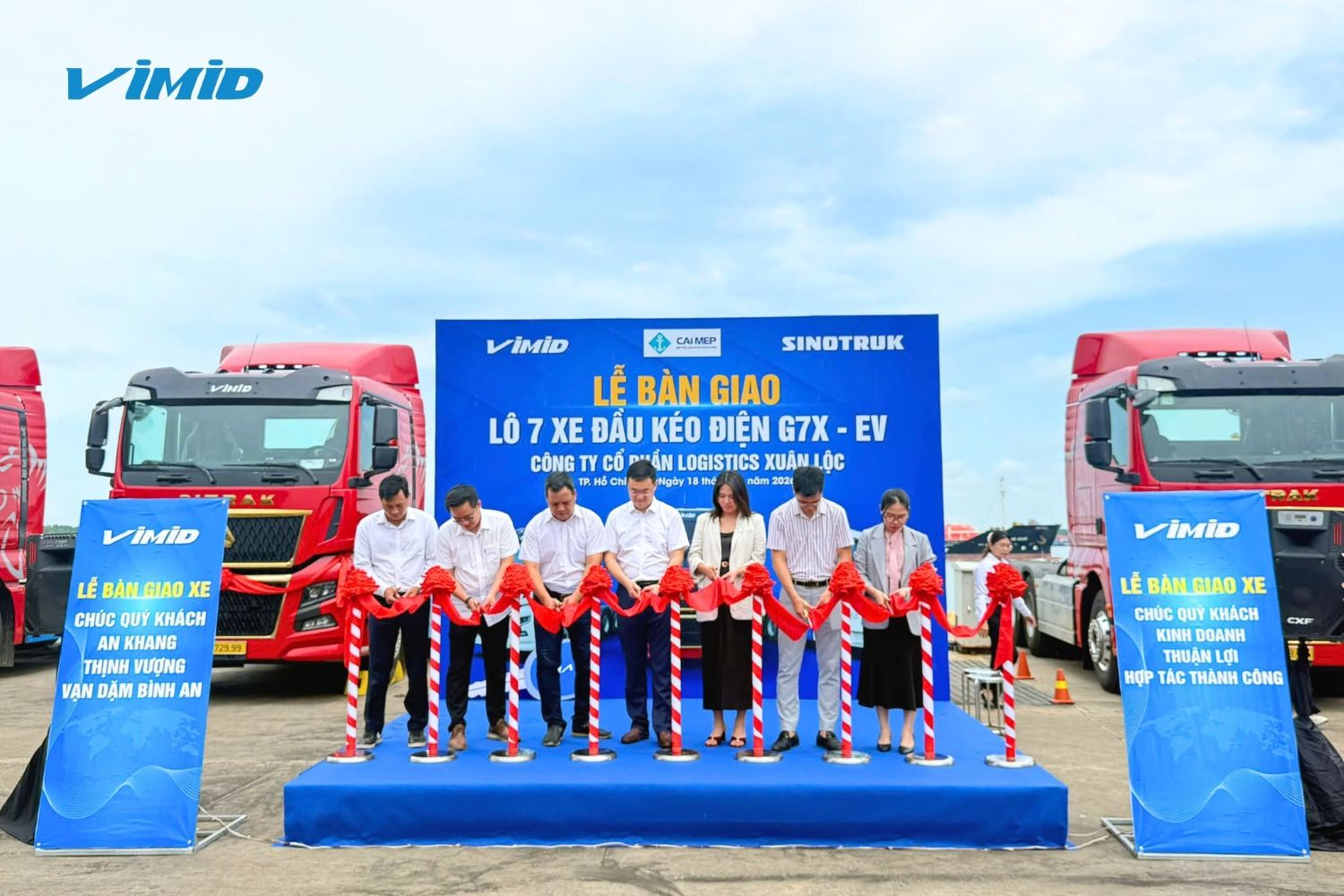
Product Reference:
Choosing the Right Electric Tractor Truck for Your Business
Start with Actual Routes and Freight Volumes
Before selecting a vehicle, businesses should compile data on round-trip distances, daily trip frequency, freight volumes, and the proportion of return trips carrying loads. This information helps establish clear operating requirements rather than relying solely on the advertised driving range.
If a test run is possible, record electricity consumption, battery levels at the beginning and end of each shift, travel time, and waiting time. Test results should be documented alongside payload and route information to avoid incorrectly applying the findings to different operating conditions.
Operating plans should also include an energy reserve for route changes or additional trips. Schedules should not be designed around using the entire advertised driving range.
Check Charging Infrastructure Before Making a Purchase
The investment plan should answer three questions: Where will the vehicle charge? When will charging take place? Will charging time affect deliveries?
For depot charging, assess the power supply, charging equipment, parking arrangements, and potential for expansion as the fleet grows. For public charging stations, confirm access rights and whether the tractor unit and semi-trailer combination can access the site. Matching connectors alone should not be taken as a guarantee of convenient charging at every station. The vehicle’s technical requirements, available charging power, and site operating conditions must all be checked together.
Evaluate the Total Cost of Ownership
The initial purchase price does not fully reflect investment efficiency. Businesses should also account for charging equipment, electrical infrastructure, financing costs, maintenance, and vehicle downtime.
| Cost Category | Key Considerations |
|---|---|
| Vehicle purchase | Configuration, included equipment, and quotation validity |
| Charging infrastructure | Equipment, installation, power supply, and operating costs |
| Energy | Electricity consumption and charging fees |
| Technical services | Maintenance, repairs, and spare parts |
| Battery | Warranty terms and responsibilities for battery handling |
| Downtime | Impact on trip volume and the need for replacement vehicles |
Businesses should compare costs per completed trip or per ton of freight transported. When comparing electric trucks with diesel vehicles, use the same routes, freight volumes, and evaluation periods to ensure meaningful results.
Clarify After-Sales Support Capabilities
For commercial fleets, the ability to resolve technical issues directly affects transportation schedules. Before signing a contract, businesses should identify support contacts, service coverage, and vehicle intake procedures.
Warranty terms covering the battery, high-voltage electrical systems, and charging equipment should be clearly stated in the sales agreement or warranty documentation. Businesses should not assume that policies for diesel trucks or other vehicle models also apply to electric tractor trucks.
Frequently Asked Questions About Electric Tractor Trucks
How Many Kilometers Can an Electric Tractor Truck Travel on a Single Charge?
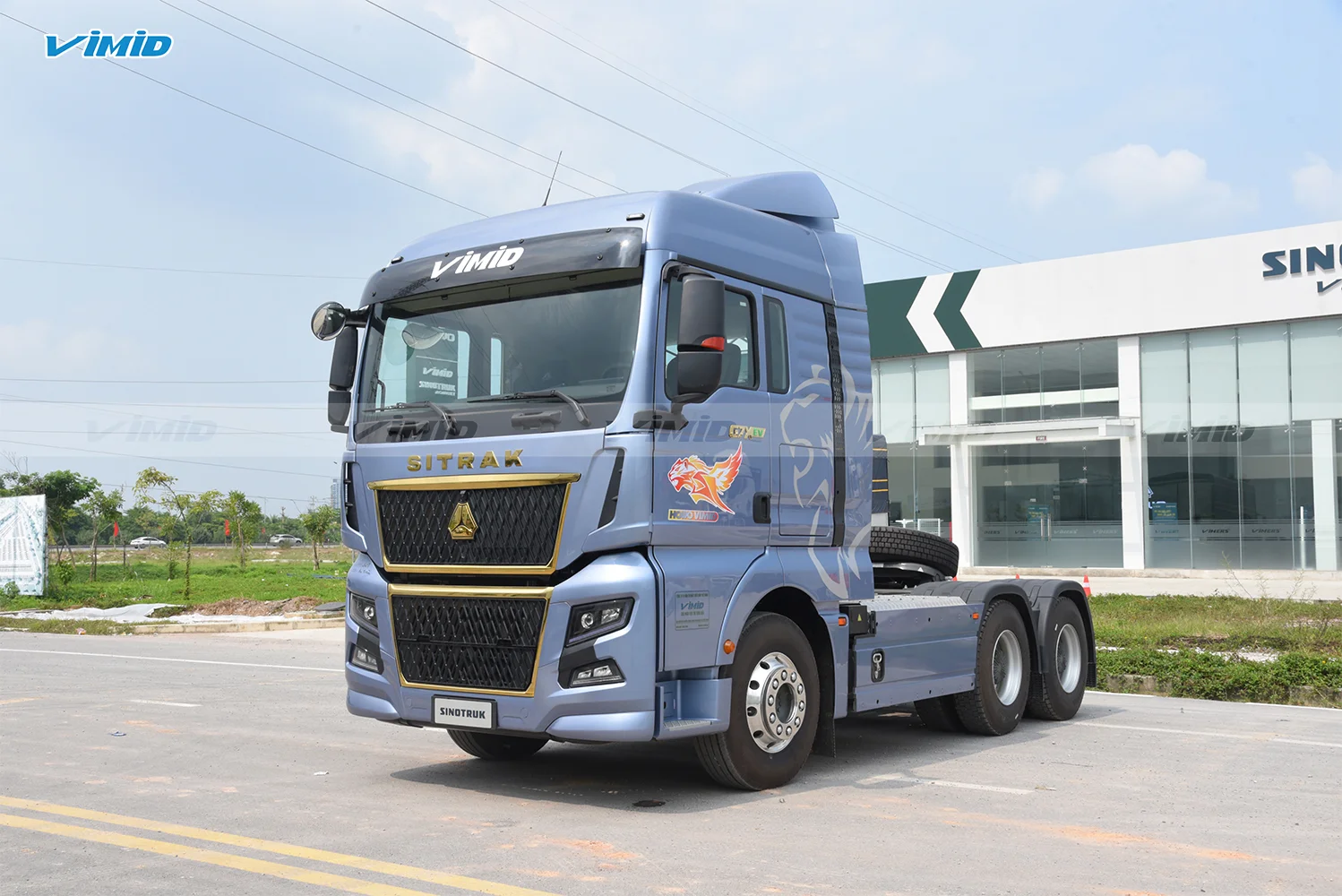
Driving range depends on the vehicle model and operating conditions. Electric trucks currently available in Vietnam, such as the HOWO G7X EV electric tractor truck, have an operating range of approximately 260 km per charge. Newer electric truck models, such as the Volvo FH Aero Electric and Scania electric trucks, can offer driving ranges of up to 720 km.
Is a Larger Battery Always Better?
Not in every situation. Battery capacity must be balanced against energy requirements, vehicle weight, purchase price, and charging schedules. Businesses should choose a configuration that meets their operational needs at a reasonable total cost.
How Much Does an Electric Tractor Truck Cost Today?
The price of an electric tractor truck depends on the model, configuration, included equipment, and order date. Currently, electric tractor trucks are priced at approximately VND 2.8 billion to VND 3.5 billion.
How Long Does It Take to Fully Charge an Electric Tractor Truck?
Fully charging an electric tractor truck typically takes around 1–1.5 hours when using a high-power DC fast charger, but charging can take several hours with a lower-power AC charger. Actual charging time depends primarily on battery capacity, charging station power output, and the vehicle’s maximum charging acceptance rate.
How Many Years Does an Electric Tractor Truck Battery Last?
Electric tractor truck batteries typically last 8–12 years before retaining approximately 70–80% of their original capacity. With LFP batteries and proper operating practices, actual service life can reach 10–15 years or longer. However, for trucks operating on demanding routes, undergoing frequent fast charging, and covering long distances, useful battery life is often assessed in terms of mileage and charging cycles, not just years.
Are Electric Tractor Trucks More Cost-Effective Than Diesel Trucks?
Yes. Electric tractor trucks generally offer lower energy and maintenance costs than diesel trucks, potentially reducing energy costs per 100 km by around 30–50%. However, actual financial benefits depend heavily on electricity prices, diesel prices, vehicle utilization, charging infrastructure, and purchase price.
Conclusion
Switching to electric tractor trucks is not only a strategic move that can help transportation businesses optimize operating, energy, and maintenance costs, but also a promising solution for achieving sustainable, low-emission transportation in the future. Keeping pace with this trend can help businesses strengthen their competitiveness and meet increasingly stringent market requirements.
Looking for high-quality, genuine electric tractor trucks backed by comprehensive after-sales support? Contact VIMID via hotline 19001089 for detailed consultation and the latest promotional quotations!
Featured news


Related news

Green trucks refer to transport vehicles designed to minimize environmental impact by optimizing fuel consumption, reducing emissions, or utilizing alternative energy sources. The concept of green trucks extends beyond electric vehicles. It also includes vehicles that comply with the latest emission standards (Euro V, Euro VI), fuel-efficient trucks, and vehicles powered by alternative fuels. In […]

As the official authorized distributor of SINOTRUK to provide genuine after-sales services in Vietnam, VIMID affirms its position as a leading strategic partner, delivering optimal and sustainable operational solutions for HOWO heavy-duty trucks.

As the global commitment to net-zero emissions intensifies, the transport sector is facing unprecedented pressure to decarbonize. What was once considered a long-term sustainability objective has now become a mandatory requirement directly linked to corporate competitiveness. This challenge is particularly pronounced in developing economies such as Vietnam, where freight demand continues to grow in parallel […]