


Green Trucks – The Inevitable Future of the Freight Transport Industry
Green trucks refer to transport vehicles designed to minimize environmental impact by optimizing fuel consumption, reducing emissions, or utilizing alternative energy sources.
The concept of green trucks extends beyond electric vehicles. It also includes vehicles that comply with the latest emission standards (Euro V, Euro VI), fuel-efficient trucks, and vehicles powered by alternative fuels.
In the context of increasingly stringent environmental requirements, green trucks are becoming an inevitable development trend in the freight transport industry.

Emission Reduction Pressure Is Reshaping the Transport Industry
The transport sector is one of the largest sources of emissions, particularly in developing countries such as Vietnam, where road freight transport remains dominant.
Key factors driving the green truck trend include:
- Increasingly stringent environmental regulations
- Fluctuating fuel costs
- Tightening emission standards under government regulations
- Requirements from partners and supply chains
- Corporate sustainability commitments
These changes are forcing transport businesses to reassess long-term fleet investment strategies.
Benefits of Green Trucks for Transport Enterprises
Reduction in long-term operating costs:
Green trucks—especially fuel-efficient models, electric trucks, or vehicles meeting higher emission standards—help reduce fuel consumption, which accounts for a significant portion of operating costs.
Improved operational efficiency:
Modern truck models are equipped with advanced engine technologies and optimized designs, enhancing durability, reducing breakdowns, and improving overall operational performance.
Compliance with environmental standards:
The use of green trucks enables businesses to comply more easily with emission regulations while enhancing their brand image in the eyes of partners and customers.
VIMID – Partnering with Customers on the Journey Toward Effective Green Transformation
Market players in the vehicle supply and service sector are gradually adjusting their portfolios to support a feasible green transition. Among them, VIMID is one of the pioneers providing green transport solutions, offering a diversified portfolio of trucks that meet high emission standards, ensure fuel efficiency, and deliver durable performance.

In addition to product offerings, after-sales service and maintenance systems play a critical role in helping transport enterprises maintain vehicle performance, thereby reducing fuel consumption and emissions during operation while minimizing vehicle downtime and optimizing operational efficiency.
VIMID currently operates a nationwide network of more than 23 3S service stations and authorized dealers, providing comprehensive services including warranty, maintenance, repair, and genuine spare parts supply. This network enables fleet owners and transport businesses to proactively manage vehicle conditions, ensuring stable operation, reduced wear and tear, and optimized fuel consumption.
Beyond addressing breakdowns, regular maintenance and standardized replacement of components also contribute to extending vehicle lifespan, maintaining engine efficiency, and indirectly reducing emissions throughout the operational lifecycle.
Featured news

Related news
Electric trucks are becoming an increasingly popular choice. However, many fleet operators still have questions about real-world performance. Here is a total guide to operate electric truck efficiently while keeping costs under control
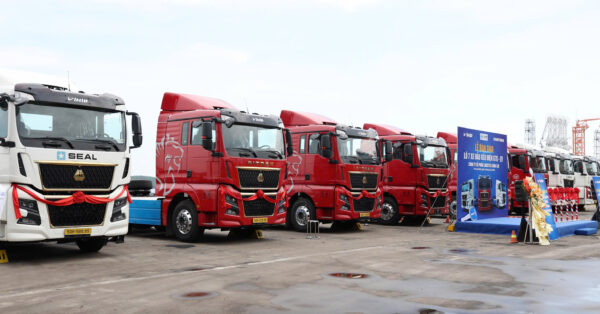
Continuing its partnership in green transportation, Vietnam Machine Investment Development Joint Stock Company (VIMID) recently held a handover ceremony for a new batch of G7X-EV electric tractor trucks to Xuan Loc Logistics Joint Stock Company, marking the second time the company has chosen VIMID’s electric tractor trucks to expand its fleet. More than a testament […]

As the global commitment to net-zero emissions intensifies, the transport sector is facing unprecedented pressure to decarbonize. What was once considered a long-term sustainability objective has now become a mandatory requirement directly linked to corporate competitiveness. This challenge is particularly pronounced in developing economies such as Vietnam, where freight demand continues to grow in parallel […]